























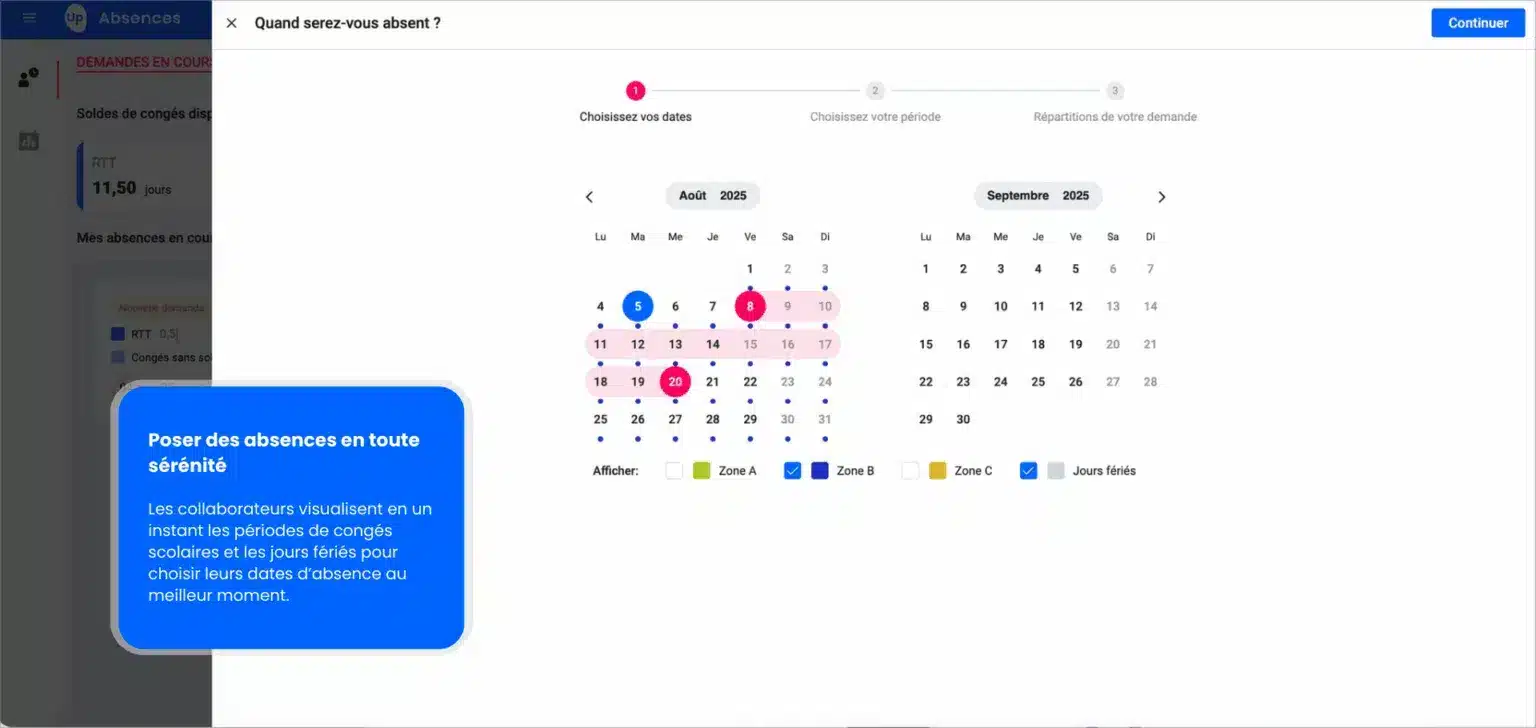
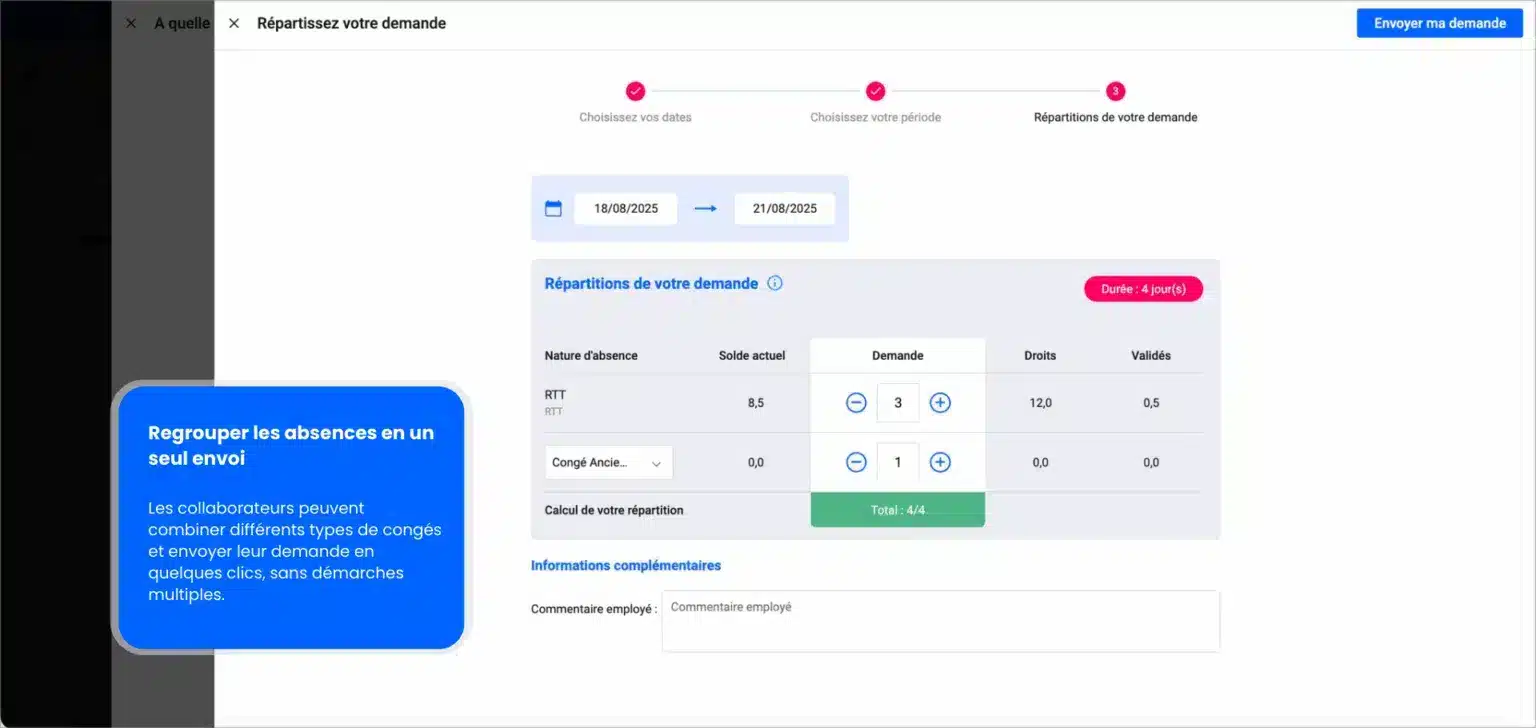
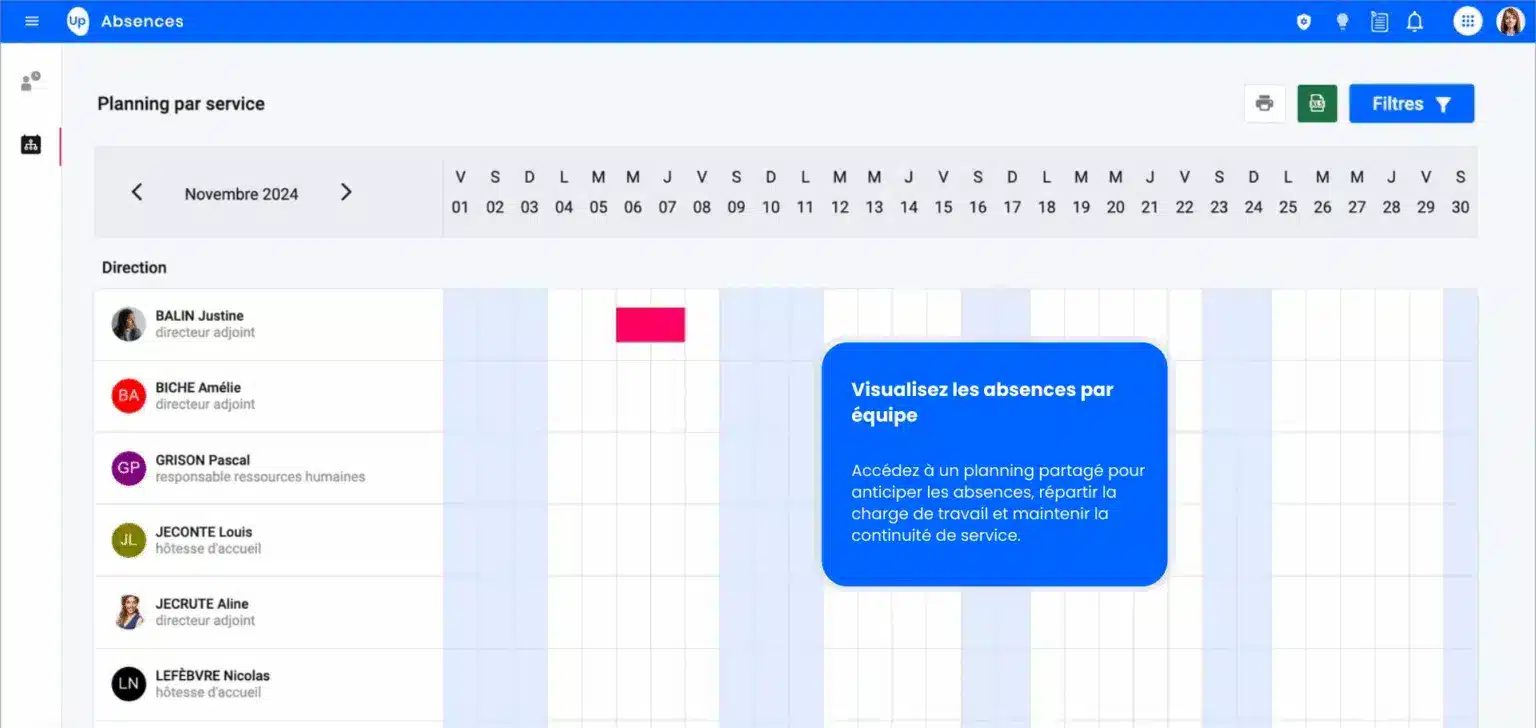
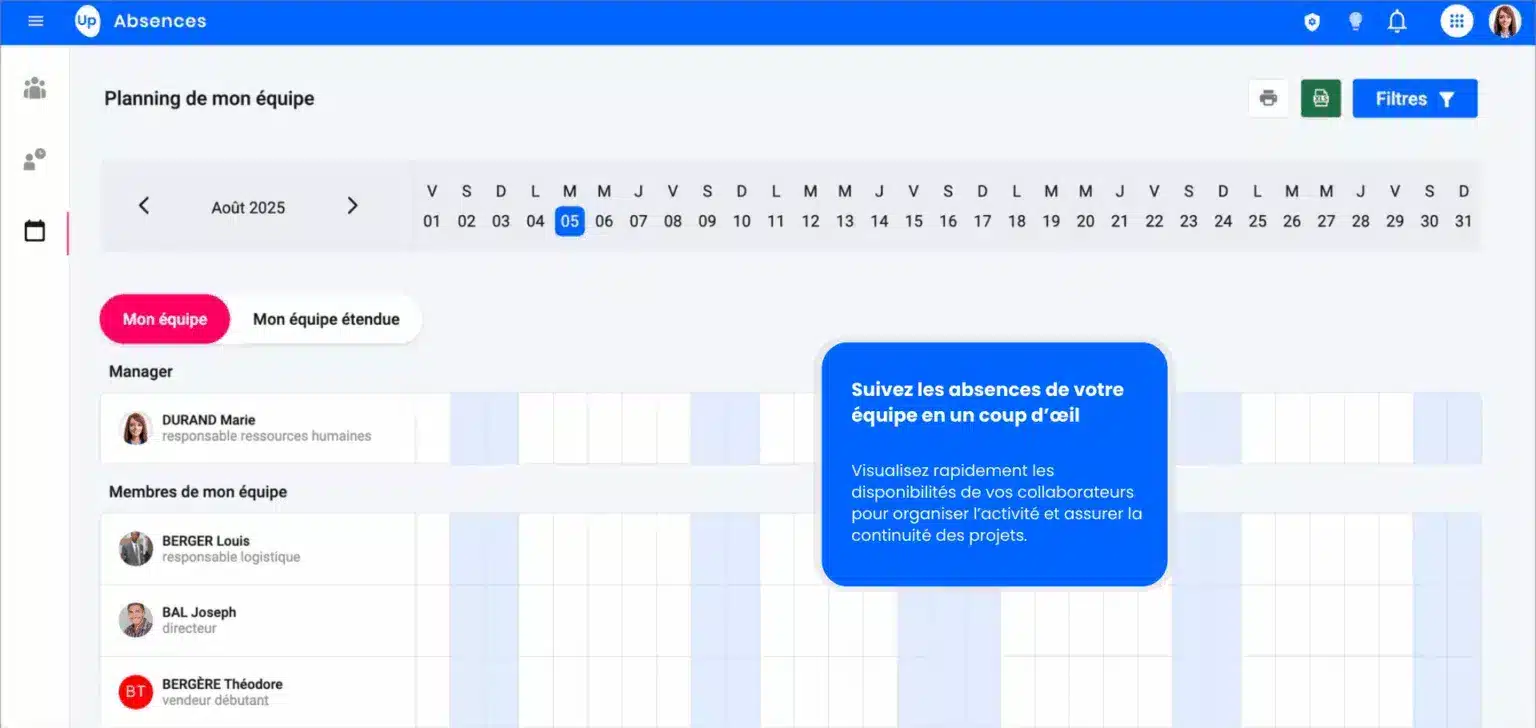







Effective management of absences in the workplace involves tracking them centrally, analyzing their causes, and anticipating their impact on the organization. This ensures business continuity, compliance with legal obligations, and prevention of social risks. Effective management also promotes fairness and transparency among teams.
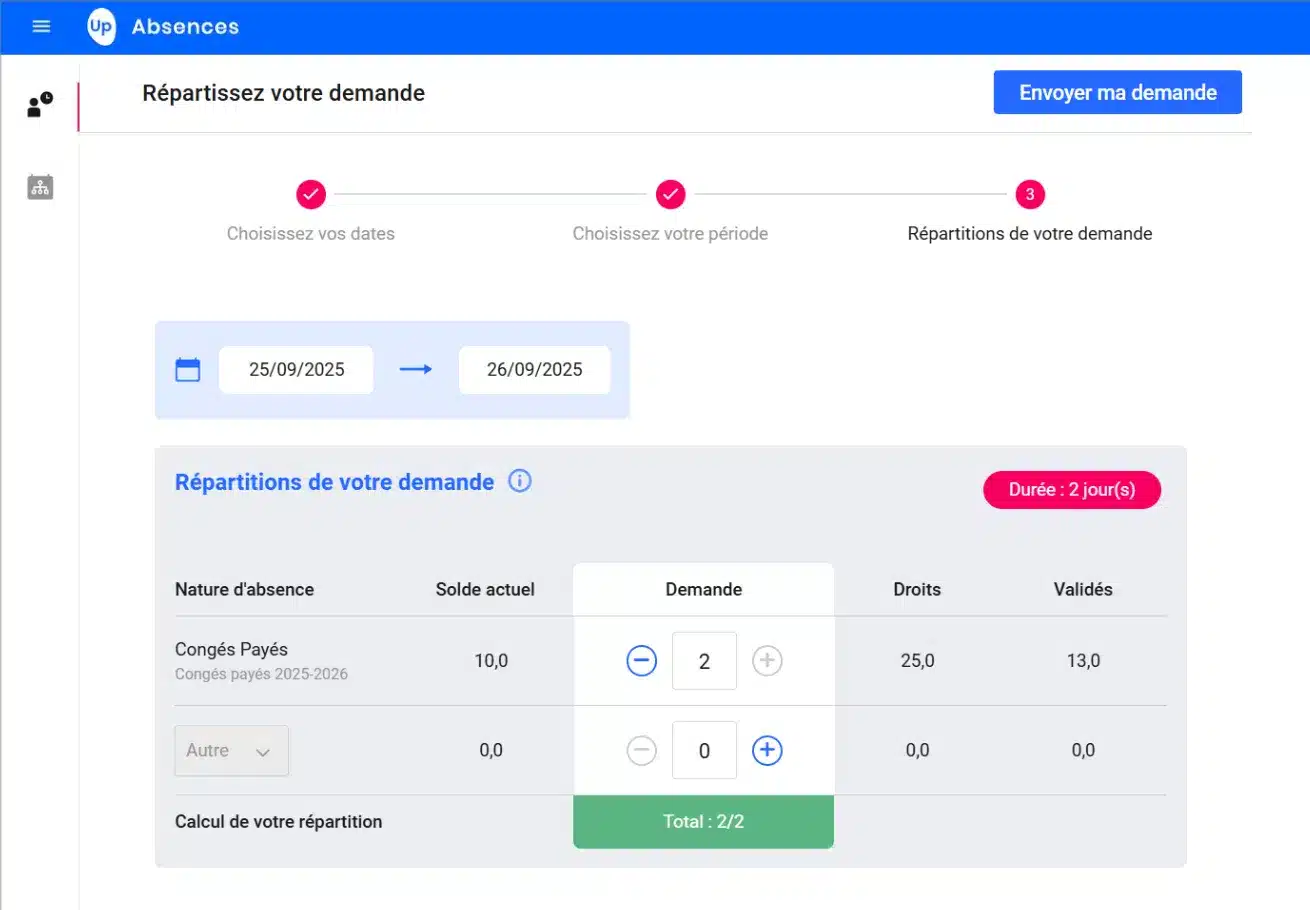
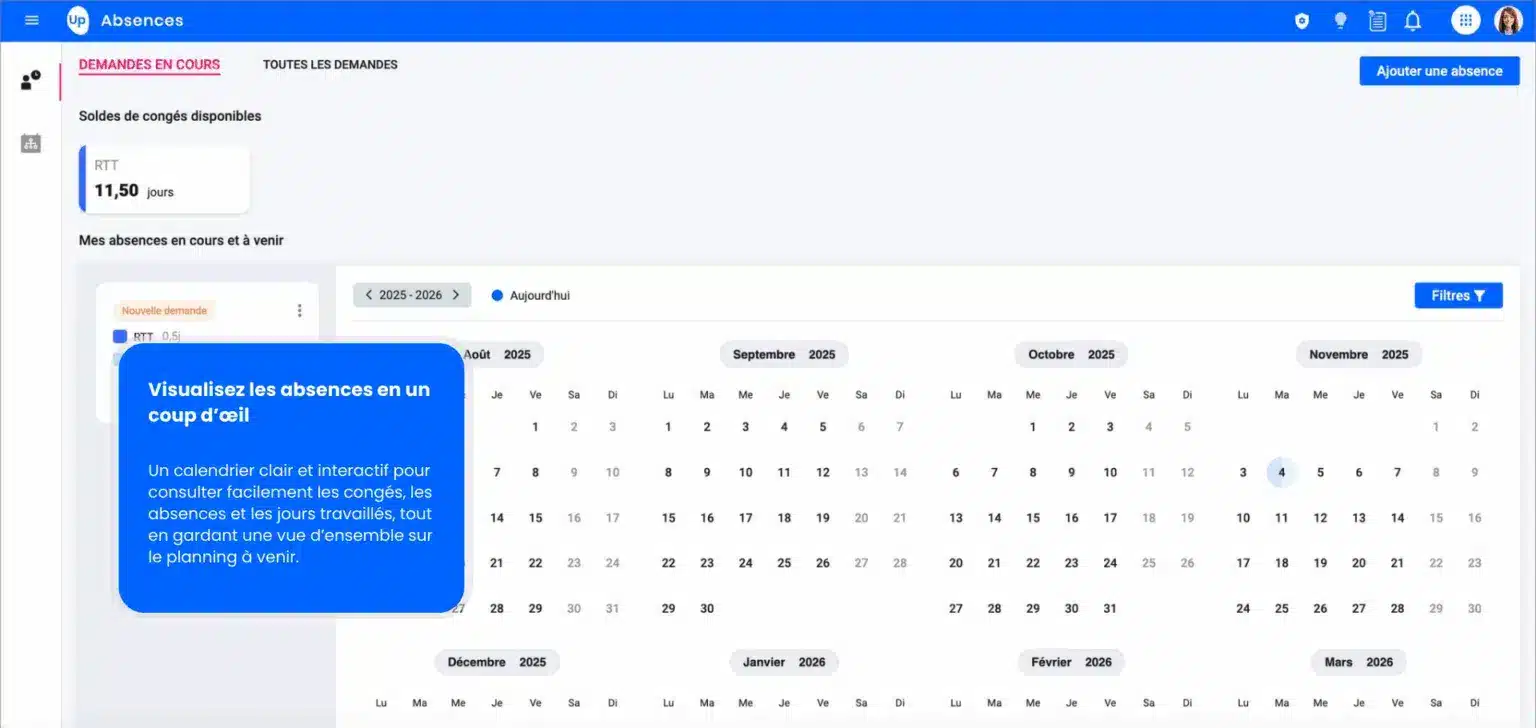
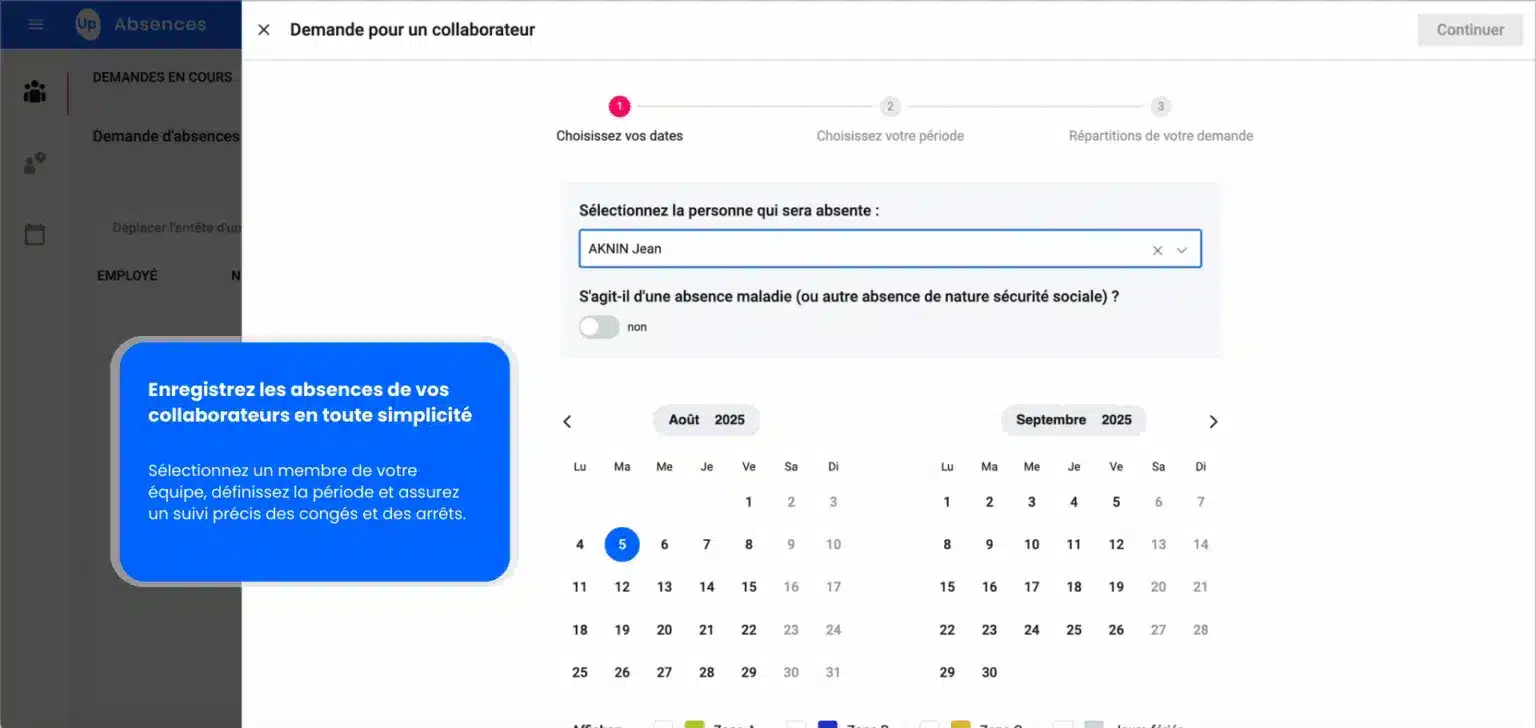
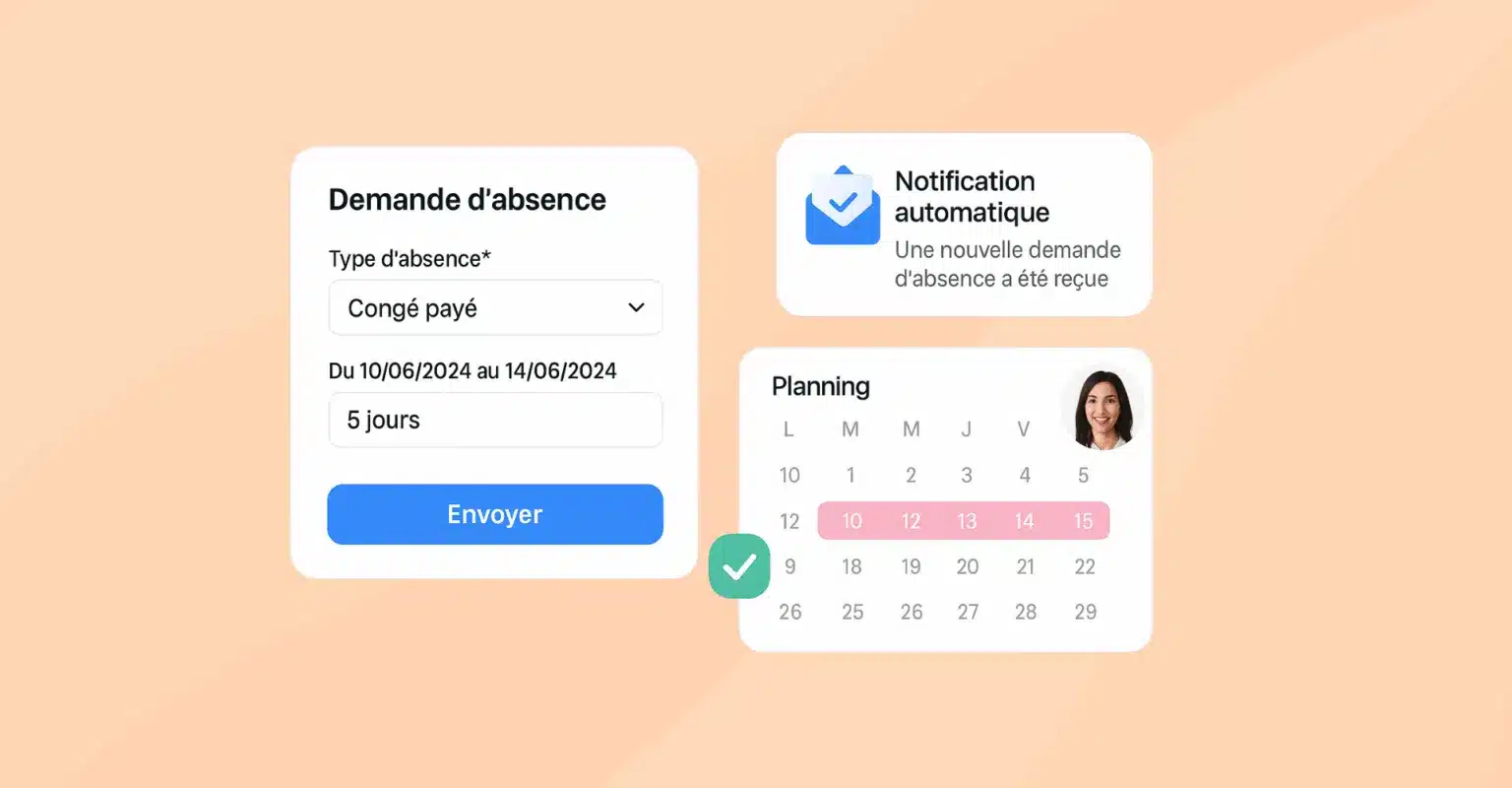
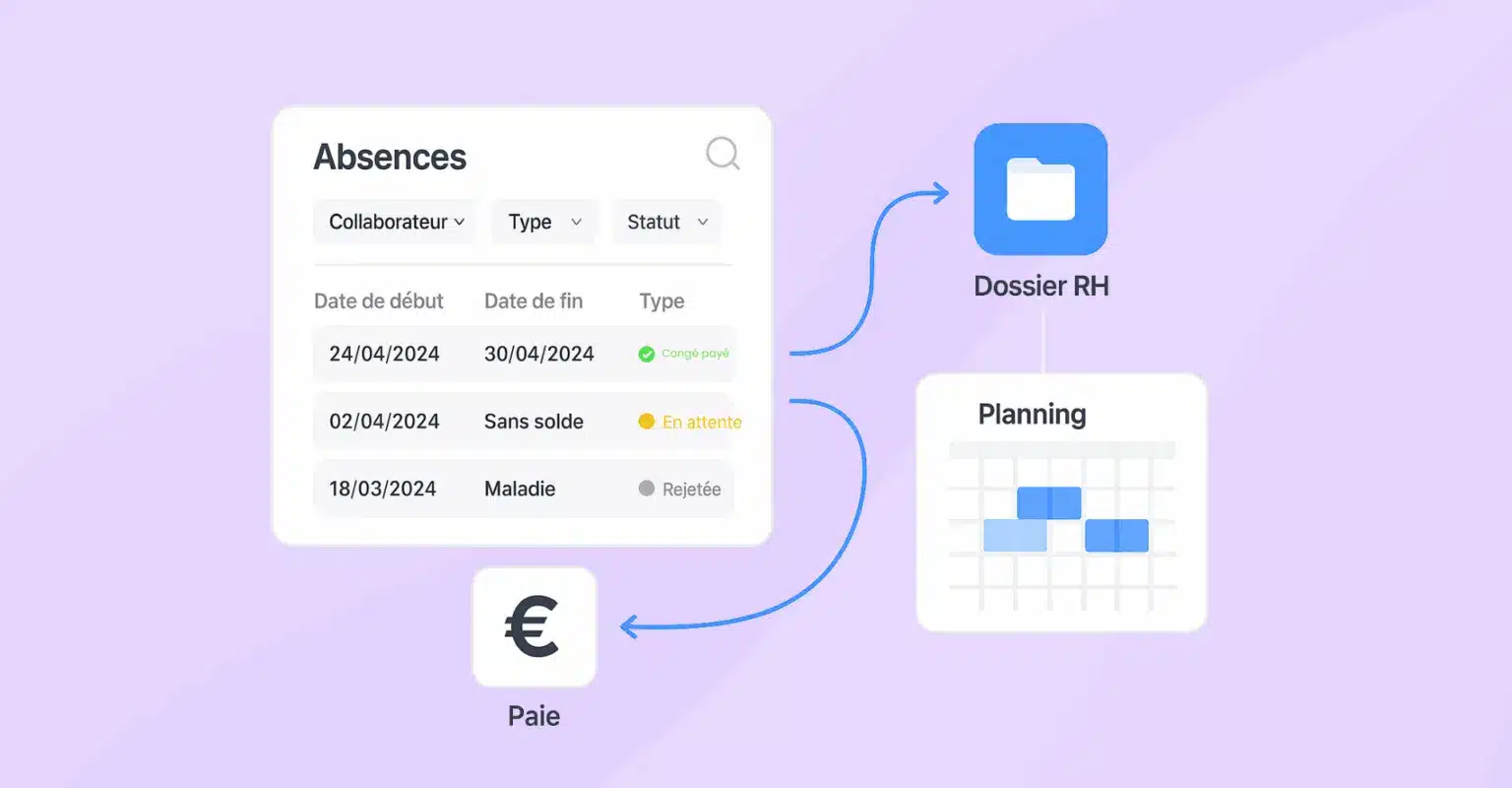
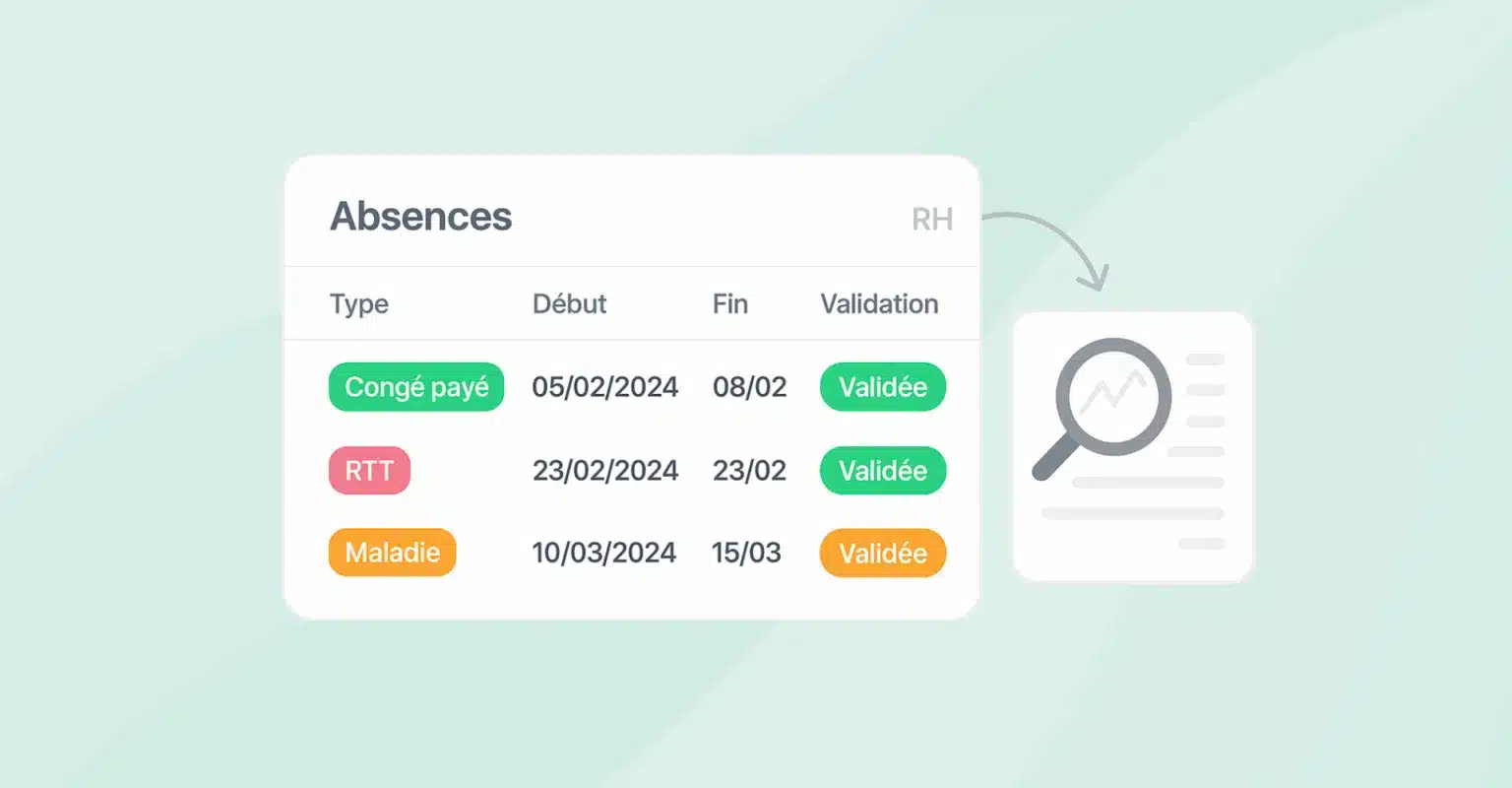
Absence management software allows you to plan, track, and automate the management of all employee absences (vacation, RTT, sick leave, etc.). It centralizes requests, calculates balances in real time, facilitates approvals, and generates reports to manage absenteeism.
Before discussing absence management software, note that there are several methods for calculating absences depending on the company. Here are eight common approaches:
1. Calendar days: Absences counted in full days, including weekends.
2. Working days: Absences calculated based on working days.
3. Business days: Absences counted in days actually worked.
4. Half-days: Absences counted in half-days.
5. Hours: Calculation of hours of absence.
6. Paid leave: Management of paid leave with remaining balance.
7. Compensatory time: Calculation of accumulated compensatory time.
8. Special leave: Specific method for particular types of absences.
An HRIS tool is invaluable for simplifying these calculations. It automates processes and ensures consistent accuracy, avoiding errors and misunderstandings. This saves time and ensures accurate and fair management of absences within the company.
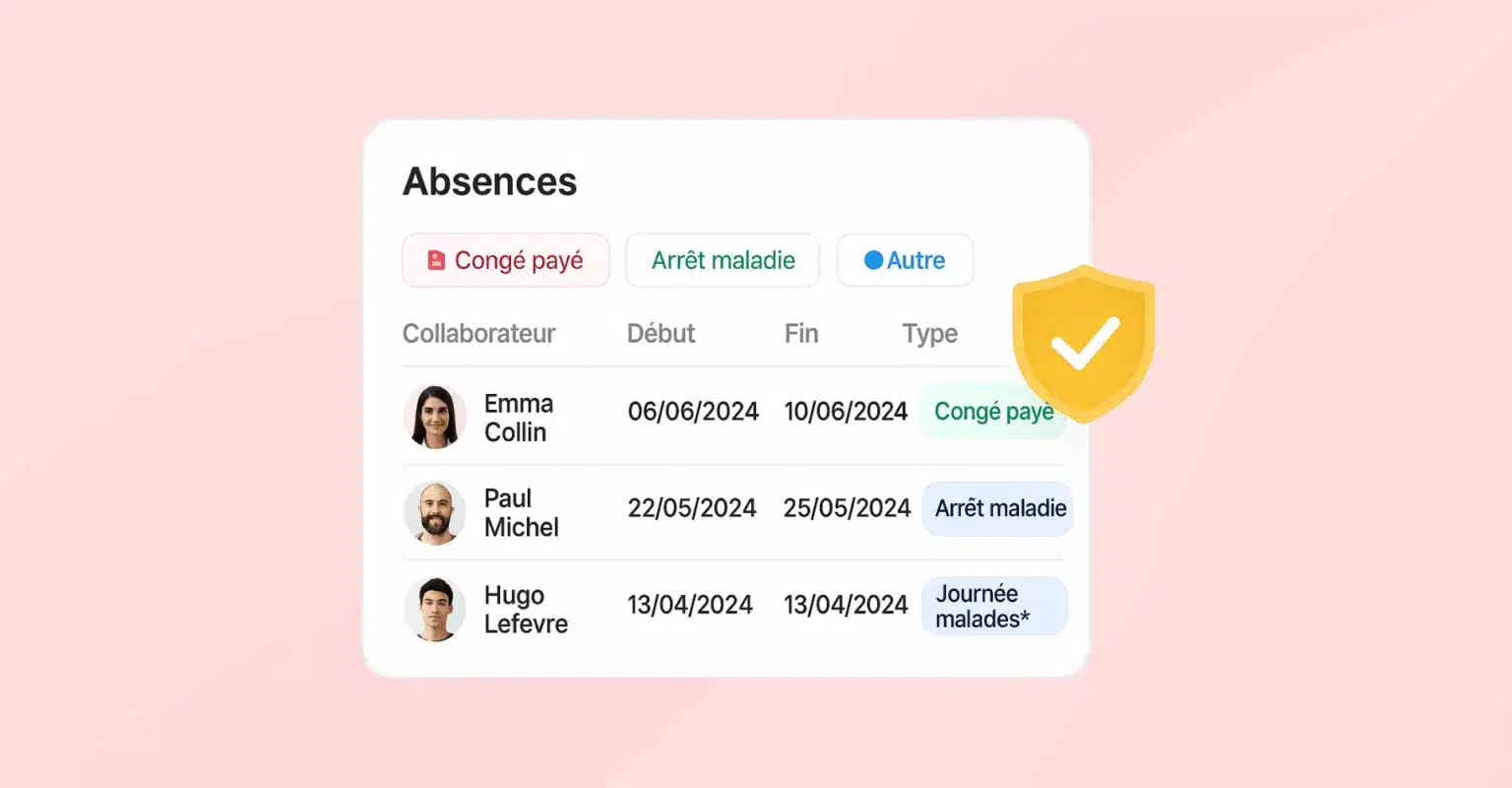
There are various types of absences in the workplace: paid leave, sick leave, maternity/paternity leave, unpaid leave, RTT (reduced working time), special leave (marriage, death), training, sabbatical leave. Each has its own rules and rights. Absence management software facilitates management by automating requests and tracking in accordance with internal policies.
Recording absences requires precision and rigor. Several methods exist: calendar days (including weekends), working days (days worked), actual days worked, half-days, or hours worked. Each company chooses the method that aligns with its internal policy.
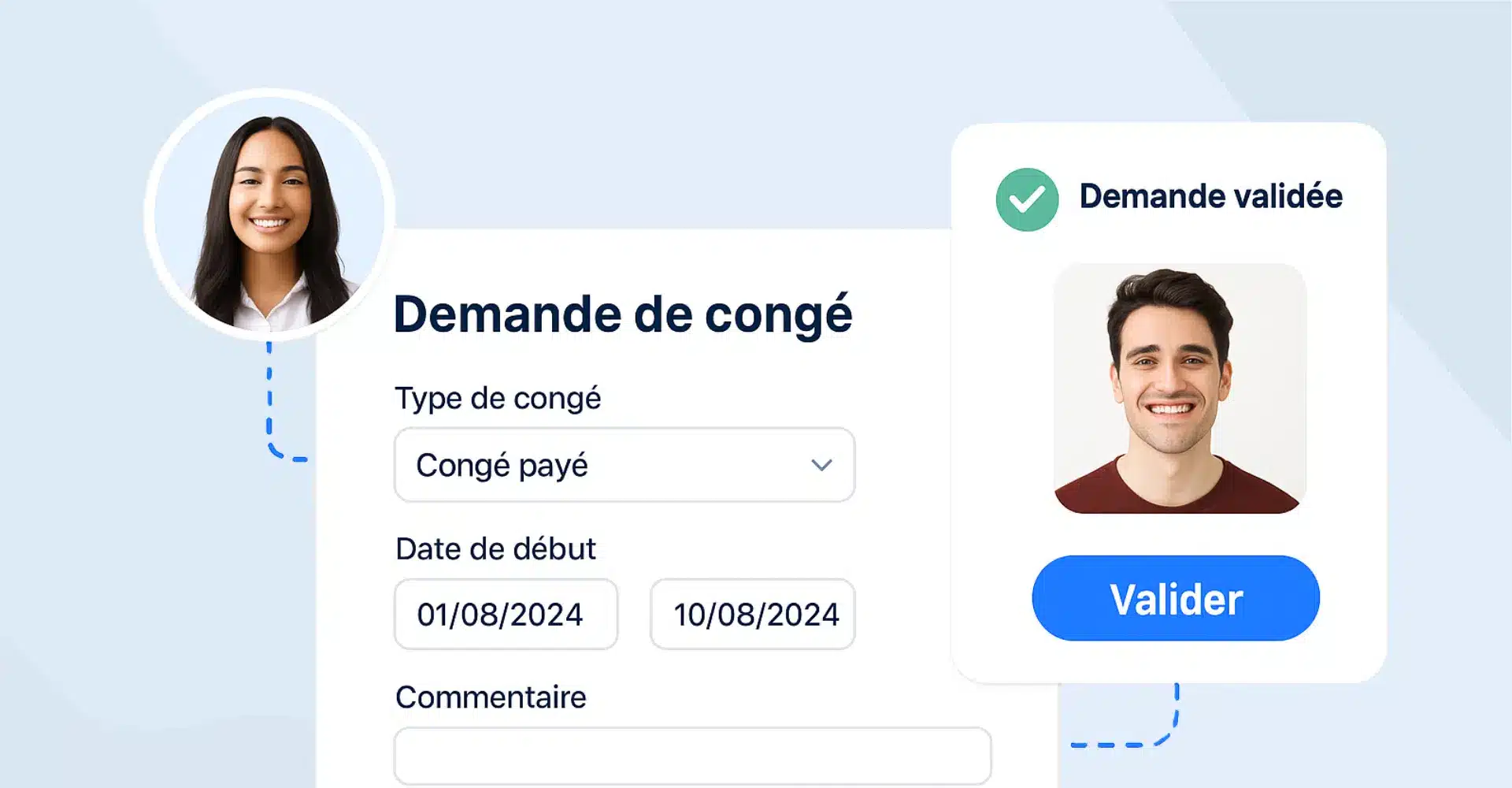
Using an HRIS tool simplifies this process. By automating data entry, tracking, and calculations, it ensures accurate and efficient absence management. Employees submit their requests online, managers approve them, and the data is stored centrally. This prevents manual errors, ensures compliance with rules, and facilitates reporting. A modern approach for optimal management.