







In a world where data is central to decision-making, decision-makers no longer have the luxury of flying blind. Management dashboards have become an indispensable strategic tool, particularly for HR professionals, line managers, and business leaders. But what exactly are they used for? And how can you implement them effectively and in line with your objectives?
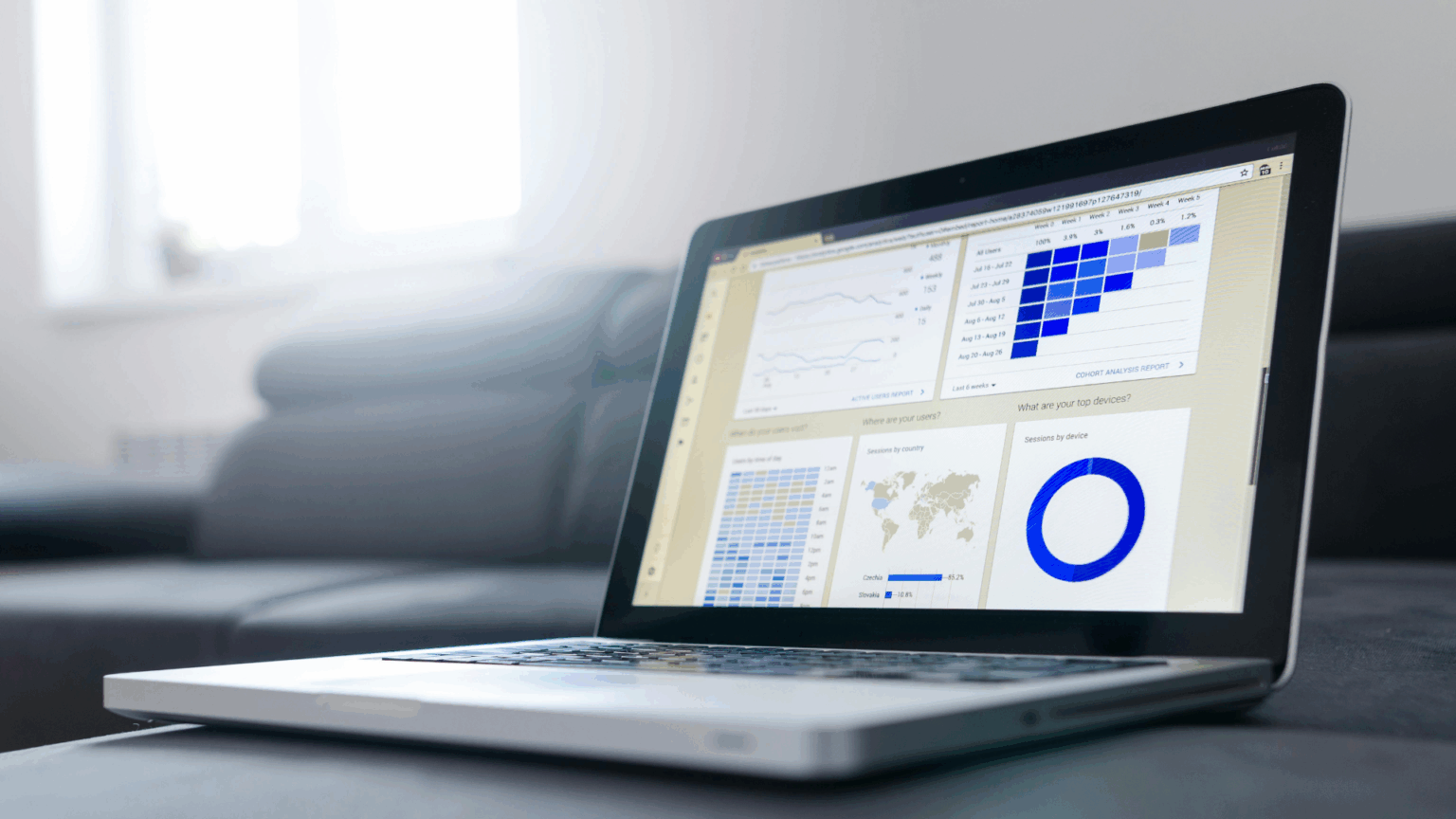
Often mistaken for a static report, a dashboard is actually a dynamic management tool that provides a clear, concise overview of key performance indicators (KPIs). In management, it helps track the performance of a team, department, or project in real time.
In fact, it is a tool that helps you make decisions by allowing you to evaluate and track the progress of an activity according to predefined objectives. These may include turnover rates, individual or collective performance, employee engagement levels, or even the time spent on certain tasks.
The dashboard is not a gadget reserved for senior management. It has its place in human resources management and operational management:
According to a Gartner study, nearly 70% of companies that have implemented a decision-making dashboard system have seen an improvement in interdepartmental collaboration.
An effective dashboard should not be overly complicated. It should be focused, easy to read, and actionable. Indicators may vary depending on the context, but here are a few essentials for HR and managers:
The key is to limit the number of indicators so as not to overwhelm the reader and to link them to concrete and measurable objectives.
Here are the main steps for designing a relevant management dashboard:
The visual interface is just as important as the data: think about intuitive reading, with graphs, color codes, and clear navigation.
The management dashboard is most powerful when integrated into an intelligent HRIS ecosystem capable of centralizing HR data, updating it automatically, and providing customized views for each stakeholder in the company.
This is where a tool like quarksUp subtly comes into play. Among its various modules, the Performance Tracking module allows you to structure HR data, track your teams' key KPIs, and create customized dashboards for managers. A solution designed to combine managerial efficiency, ease of use, and strategic alignment.
Management dashboards are no longer a luxury; they are a necessity for companies seeking sustainable performance.
When well designed, it becomes a true decision-making compass, capable of transforming raw data into concrete actions. And with the right tools, such as those offered by quarksUp, it becomes easy to stay on course, whatever your HR or managerial challenges may be.