










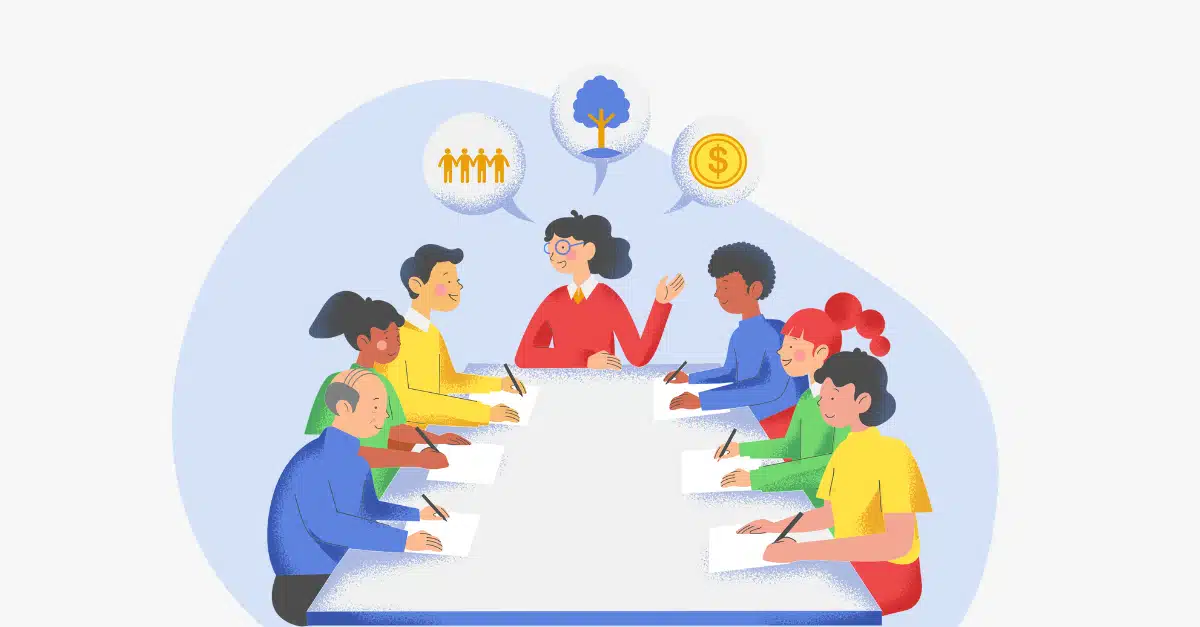
Internal mobility is a powerful lever for talent development and employee retention. It allows companies to maximize the potential of their teams while offering rewarding career opportunities. But how can internal mobility be effectively promoted? This article explores key strategies for promoting internal mobility in your organization.
Promoting internal mobility allows you to retain knowledge within the company. Your talented employees have knowledge and have acquired skills within your company. By giving them a choice of internal opportunities, they will be able to use these skills to benefit the overall performance of your company.
According to companies, talented employees can stay for 10 or even 15 years. But today we are seeing a trend in many sectors where employees change companies regularly. Internal mobility therefore plays a crucial role in employee retention. By offering opportunities for career advancement and personal development, companies can reduce turnover and retain their best talent. Make your talent want to stay by giving them visibility into their future!
External recruitment is often costly and time-consuming. By promoting internal mobility, companies can reduce these costs by leveraging the skills and experience of their current employees. After all, you know your employees, you have an overview of their performance and results, and you can be sure of retaining the best talent within your company. Not to mention that these talented individuals are already familiar with the culture, integration, and knowledge of other talented individuals.
→ Effectively manage internal mobility within your company by identifying the mobility management software that best suits your needs (2026 comparison).
To promote internal mobility, it is essential to know the current skills of employees. Conducting regular assessments and using skills assessment tools can help identify talent and transferable skills within the company.
Career interviews are an excellent way to identify employees' professional aspirations and the skills they wish to develop. These interviews provide a better understanding of each individual's ambitions and enable internal mobility opportunities to be aligned with their personal goals.
It is important to align employee skills with the strategic needs of the company. By analyzing the skills required for different roles, managers can better target employees who could benefit from internal mobility. "Identifying transferable skills is essential for effective internal mobility management" (Culture RH).
Manage your Careers with quarksUp
To promote internal mobility, companies must invest in training and developing their employees. Offering continuing education programs, workshops, and certifications can help employees acquire the skills needed for new roles.
Encouraging a culture of mobility within the company is crucial. This includes open communication about mobility opportunities, recognizing successes, and supporting employees who want to grow. "Transparency and communication are key elements in promoting internal mobility" (CCI).
Mentoring is a powerful tool for supporting internal mobility. Mentors can offer advice, share their experience, and help employees navigate new roles. This not only facilitates the transition, but also reinforces a culture of support and collaboration within the company.
To measure the effectiveness of internal mobility initiatives, it is important to track key performance indicators (KPIs). These may include internal promotion rates, talent retention rates, employee satisfaction, and team performance.
Employee feedback is essential to understanding the impact of internal mobility initiatives. Conducting regular surveys and interviews provides valuable insight into the employee experience and helps identify areas for improvement.
Evaluating the results of training and development programs is crucial to measuring their effectiveness. This includes analyzing employee progress, certification success rates, and the impact on overall company performance.
Promoting internal mobility is a winning strategy for companies seeking to maximize the potential of their talent, improve employee retention, and reduce recruitment costs. By implementing effective practices such as skills assessment, continuing education, creating a culture of mobility, and mentoring, companies can create an environment conducive to growth and professional development. Ultimately, a proactive approach to internal mobility contributes not only to the success of employees, but also to that of the company.