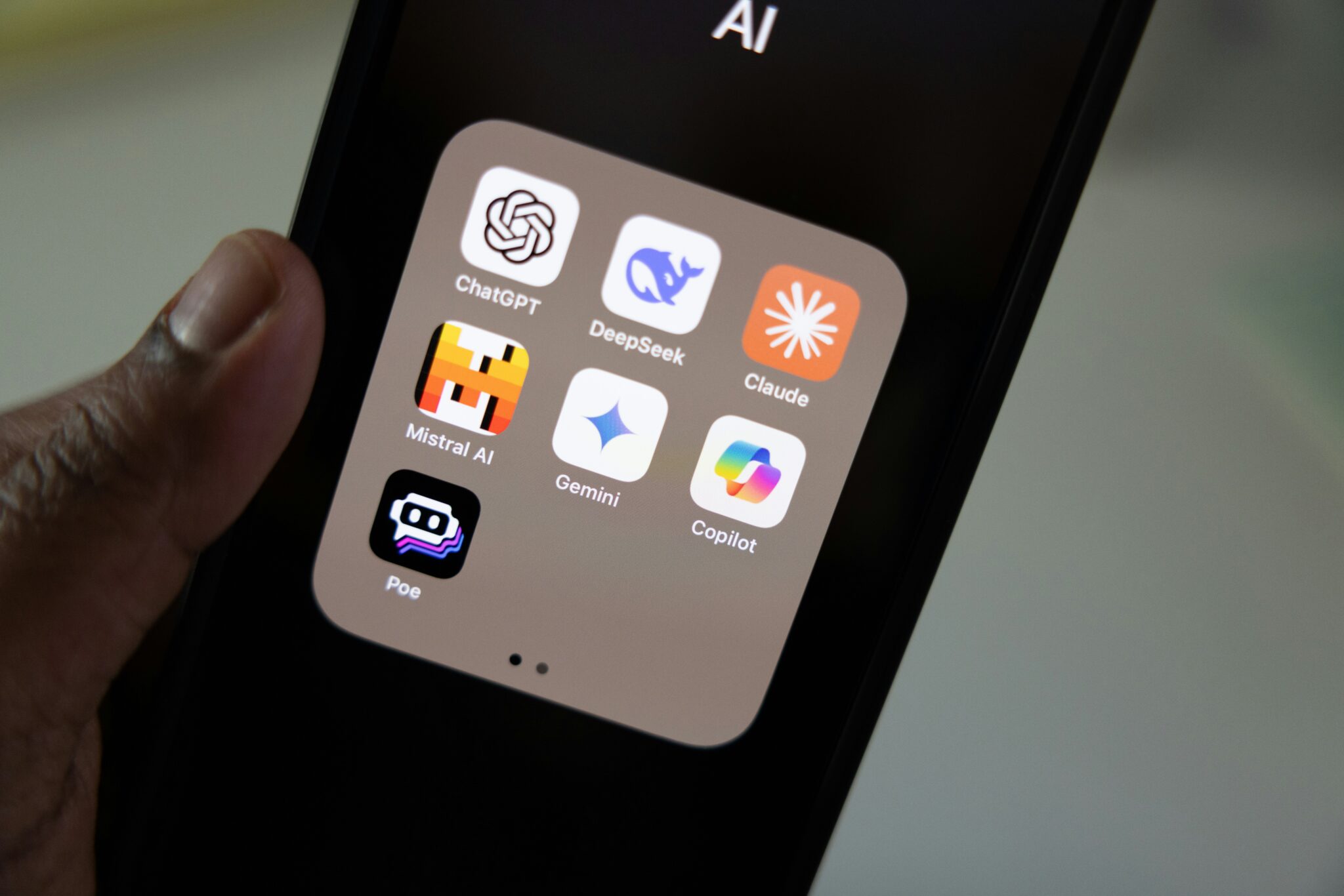











Artificial intelligence (AI) is sweeping across many sectors, and human resources (HR) is no exception. Far from being a threat, AI is proving to be a powerful ally in transforming HR practices and professions. We are heading towards a revolution that promises greater efficiency, strategy, and a resolutely human focus.
Imagine HR professionals freed from mountains of forms, time-consuming leave management, and payments. That's the promise of AI automation. These repetitive, administrative tasks can now be entrusted to intelligent programs, giving HR teams valuable time to devote to more strategic tasks.
AI-enhanced conversational chatbots are becoming virtual colleagues for employees. These intelligent assistants answer frequently asked questions about leave, benefits, company policies, and can even guide users in resolving common issues. Available 24/7, they offer welcome flexibility to employees and relieve HR departments of simple queries.
Predictive analytics thus becomes a powerful tool for optimizing talent management and driving informed HR strategies.
Manage your talent with quarksUp
The advent of AI is shaking up HR professions. To take advantage of these new technologies, HR professionals must develop new skills:
By developing these skills, HR professionals become strategic partners of AI, capable of exploiting its full potential to optimize human resource management.
Far from being science fiction, AI is already at work in many HR departments. Here are some concrete examples:
Artificial intelligence is not a threat to HR professions, but rather a tremendous opportunity to make them more efficient, strategic, and humane. By embracing AI and developing the right skills, HR professionals can become key players in business transformation and help build a more fulfilling future of work for all.
What can AI bring to HR professions?
AI can transform HR practices by making them more efficient, more strategic, and more human-centered. In particular, it can be usedto automate time-consuming administrative tasks, implement HR chatbots to assist employees, usepredictive analytics to better manage talent, and develop new skills for HR professionals.
What are the challenges involved in implementing AI in HR?
The implementation of AI solutions in HR raises several challenges, such as ethical issues related to data confidentiality and automated decision-making, the impact on employment, and employee acceptance. It is important to identify and address these issues for the successful implementation of AI in HR.
How can HR professionals prepare for the arrival of AI?
To take advantage of the opportunities offered by AI, HR professionals must develop new skills, such as data literacy, analytics, and critical thinking, as well as knowledge of ethics and responsibility. There are many resources available to help them learn and prepare for AI.
Is AI a threat to HR professions?
AI is not a threat to HR professions, but rather a tremendous opportunity to help them evolve. It frees HR professionals from repetitive administrative tasks so they can focus on more strategic and high-value-added tasks, such as talent development and human relations management.
How can AI contribute to a more fulfilling future of work?
AI can contribute to a more fulfilling future of work for all by enabling companies to: